
Student photographers at Wits University raise concerns over being denied the opportunity to work during graduation season after missing an accreditation deadline they claim was not clearly communicated.
- Student photographers were denied access to graduation due to a permit system.
- Many missed the deadline because communication was unclear.
- Students are calling for better communication and inclusion in future.
Over the past two weeks, Wits University Campus has been filled with celebrations as graduates marked a significant milestone. For many, taking photos at iconic locations such as the Great Hall has become a tradition. However, this year, some students were forced to make alternative arrangements after unaccredited photographers were denied access.
The university introduced a system requiring photographers to obtain permits to operate during the graduation period. A limited number of registered photographers were allowed to work in designated outdoor public areas, while Campus Protection Services (CPS) removed those without permits.
According to the Examination and Graduation Office (EGO), the application process was posted on the university website ahead of the graduation period. Officials say that the system aims to manage the high volume of people on campus and ensure safety during the ceremonies.
However, several student photographers say they were unaware of the process until it was too late.
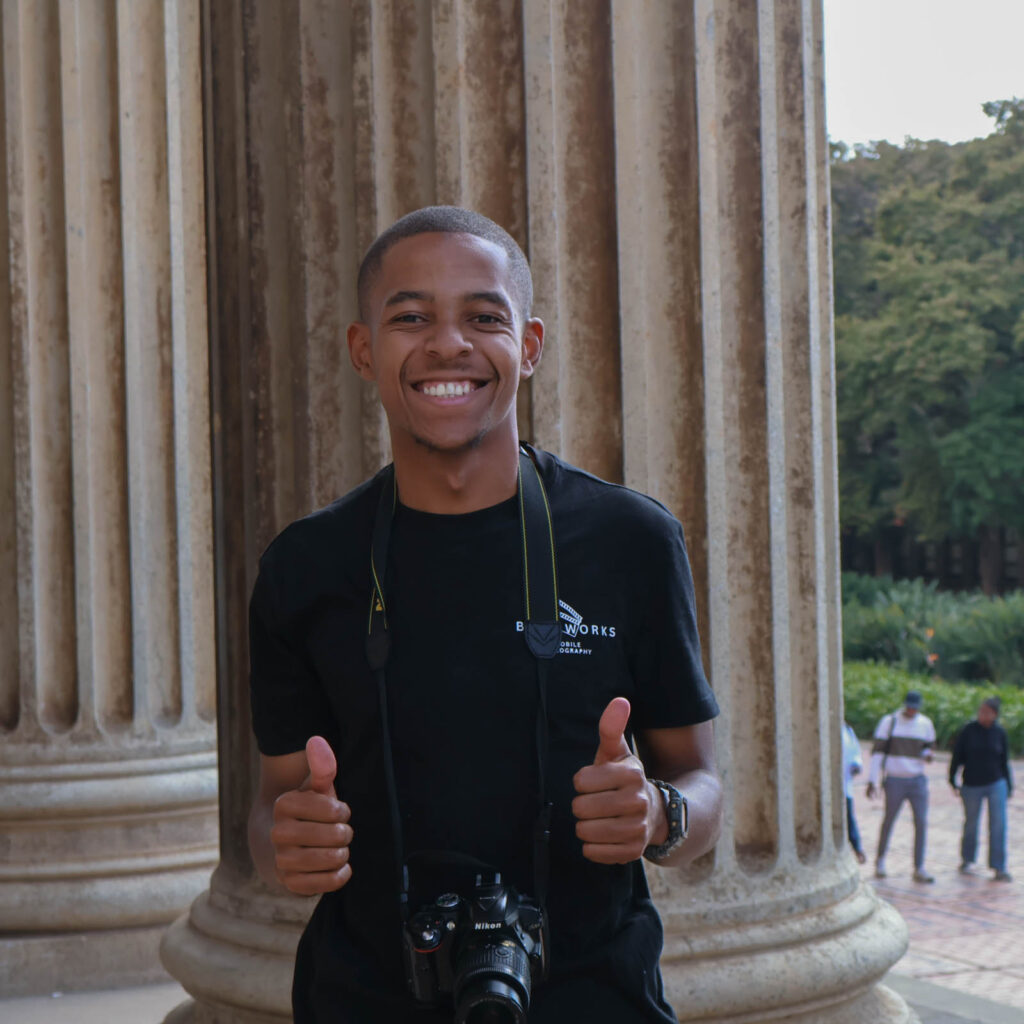
Bakithi Mntungwa, a Bachelor of Education Honours student, said he only learned about the permit requirement shortly before graduations began.
“I only found out about the permit a few days before the first day of graduation, when I was already booked to take photos. By then, the application had already closed around February,” he said.
Other students echoed similar frustrations.
Thabo Mthembu, a Mining Engineering student, said while he understands the reasoning behind the rule, he believes student photographers should have been prioritised.
“I understand the need for regulation, but I had hoped student photographers would be given priority,” Mthembu said.
Mthembu also described difficulties accessing campus with his equipment, despite being a registered student, saying he was denied entry by security.
Students argue that communication could have been improved through official university channels such as email or social media platforms. They pointed to previous opportunities, such as photography competitions, which were widely advertised to students.
“When the applications closed, I was still dealing with registration and financial issues. Checking the website was the last thing on my mind,” Mntungwa added.
While acknowledging the importance of safety and organisation during graduation, both photographers believe that clearer communication and greater inclusion of student creatives could have prevented missed opportunities.
As graduation season has ended, students are calling for more transparent processes and better access in the future so that student photographers are not only present on campus, but part of capturing its most important moments.
Questions were sent to the EGO for comment, specifically regarding concerns raised by student photographers, but no response was received by the time of publication.
FEATURED IMAGE: A student photographer by the Great Hall taking a picture of the landscape. Photo: Sanele Sithole
RELATED STORIES:
- Wits Vuvuzela, Photography service provider accused of killing competition, April 2023
- Wits Vuvuzela, 5844 Witsies await ‘normal’ graduation ceremonies, April 2022

