
The inaugural Wits International Vocal & Chamber Music Festival begins on a powerful note, blending music, memory and meaning in a moving tribute to the youth of the Soweto Uprising.
- The first-ever Wits International Vocal & Chamber Music Festival launched with a powerful opening concert at Seabrooke Music Hall.
- The programme centred on Gabriel Fauré’s Requiem, honouring the children of the 1976 Soweto Uprising.
- Performers delivered a technically refined and emotionally gripping experience that set a high standard for the festival.
A quiet anticipation filled the Seabrooke Music Hall on Wits East Campus on April 22, as audiences gathered for the opening of the inaugural Wits International Vocal & Chamber Music Festival. What unfolded was not just a performance, but a deeply moving musical tribute rooted in history, memory and collective reflection.
Hosted by the Wits Music Department, the festival spans eight concerts running from April 22 to May 2 across various venues on campus. This festival is the first of its own at Wits hosted by the department. The opening set the tone with a powerful presentation by the Wits Music Department Choir, accompanied by pianist David Butlin and conducted by Head of Department Musa Nkuna.
The programme drew from Gabriel Fauré’s Requiem, Op. 48, reimagined as a memorial for the children of the 1976 Soweto Uprising. Through seven movements, the performance carried a spiritual weight, each hymn a plea for rest, peace and refuge from suffering. The reinterpretation grounded the classical work in a distinctly South African context, bridging European composition with local history.
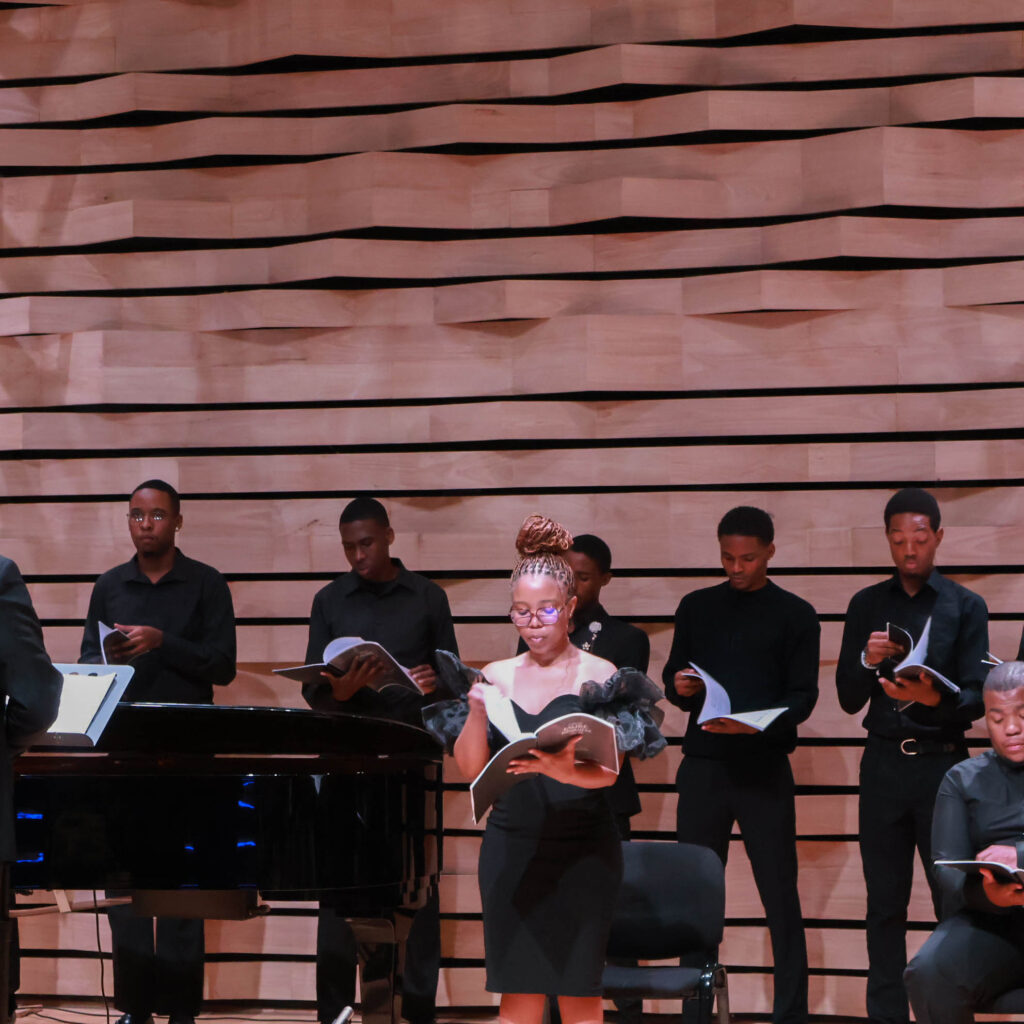
Soprano Charmaine Nkuna, and bass Thato Morutle delivered standout solo performances, their voices cutting through the hall with clarity and emotional depth. Their presence added a personal dimension to the piece, elevating the performance from technically strong to profoundly affecting.
As the choir entered the stage dressed in black, the symbolism was immediate. The uniformed ensemble visually reinforced the tone of mourning and remembrance, aligning with the concert’s dedication to lives lost. What followed was a seamless performance marked by strong ensemble unity and precision — not a single note out of place.
The emotional impact resonated with the audience. First-year Film and Television student Luthando Skenjana described the experience simply: “It was an amazing performance; I quite enjoyed the show.”
For organisers, the festival represents more than a series of concerts. Choir chairperson Lesedi Masela, final-year Bachelor of Music student, described it as “a high-impact platform that brings together choral, chamber and orchestral performances within one integrated programme.”
Masela emphasised the significance of the festival’s timing, marking 50 years since the Soweto Uprising. “The opening concerts being requiems reflect that commemoration,” he said, adding that hosting performances across multiple venues transforms the festival into “a full-scale artistic ecosystem.”
That ambition is evident. Beyond musical excellence, the festival aims to create an immersive cultural experience — one that is intellectually engaging while remaining emotionally accessible. The opening concert achieved this balance, offering both technical sophistication and a deeply human narrative.
At its core, the performance was about young people remembering young people — a generational echo carried through music. It is this layering of meaning that makes the festival stand out, positioning it as both an artistic and commemorative space.
If opening day is anything to go by, the Wits International Vocal & Chamber Music Festival is not just an event to attend, but one to experience.
Vuvu Rating: 10/10
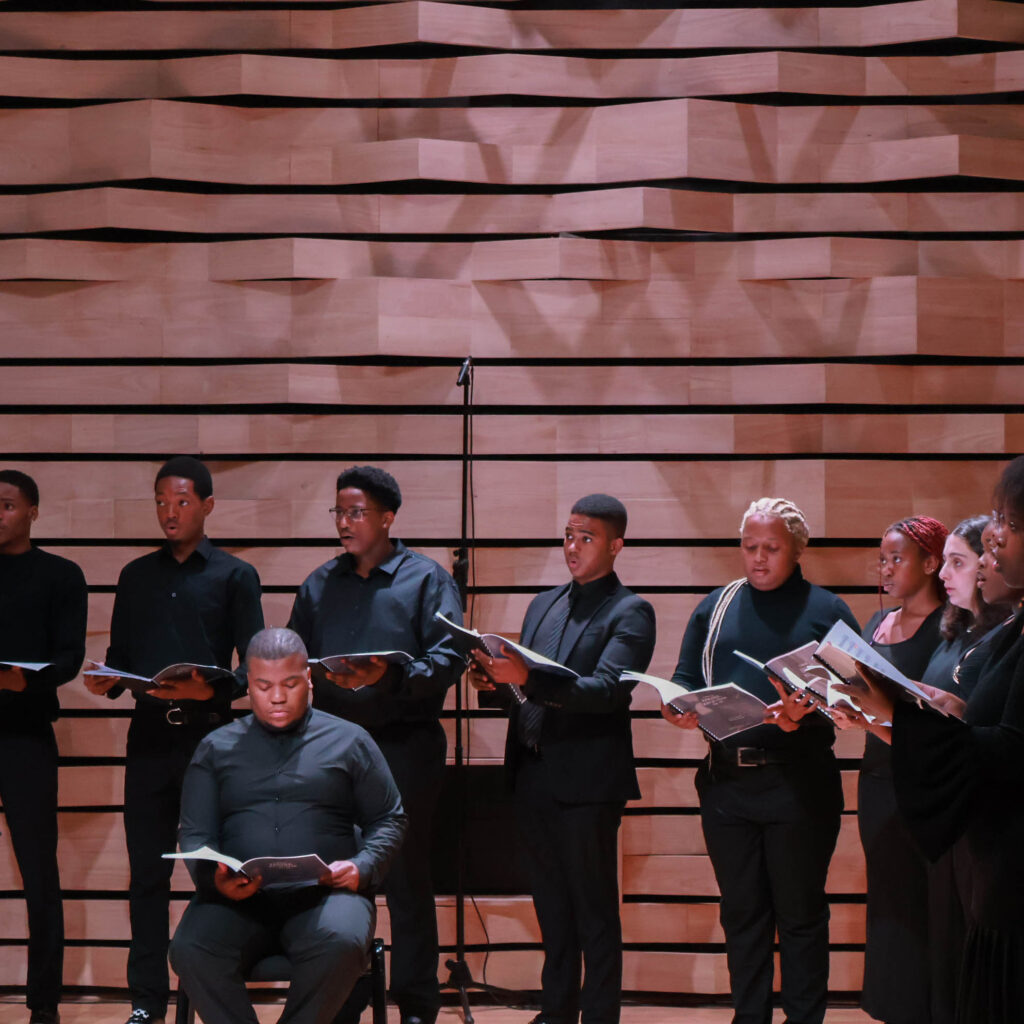
FEATURED IMAGE: A picture of the choir on stage. Photo by: Sanele Sithole
RELATED STORIES:
- Wits Vuvuzela: Power of music and the mind explored and celebrated, May 2024
- Wits Vuvuzela: Songs of change: The impact of democracy on music copyright law, Dec. 2024
- Wits Vuvuzela: Wits music and Wits theatre sing against xenophobic violence and abuse, April 2015

