
The US ambassador highlights a path for joint US-South Africa co-operation after strained bilateral tensions.
- The US ambassador speaks to students at a closed forum hosted by Wits Association of International Relations.
- His speech emphasised greater partnership between the two nations despite current tensions.
- Concern is raised over the true nature of this ‘cooperation’, regarding potential erosion of sovereignty.
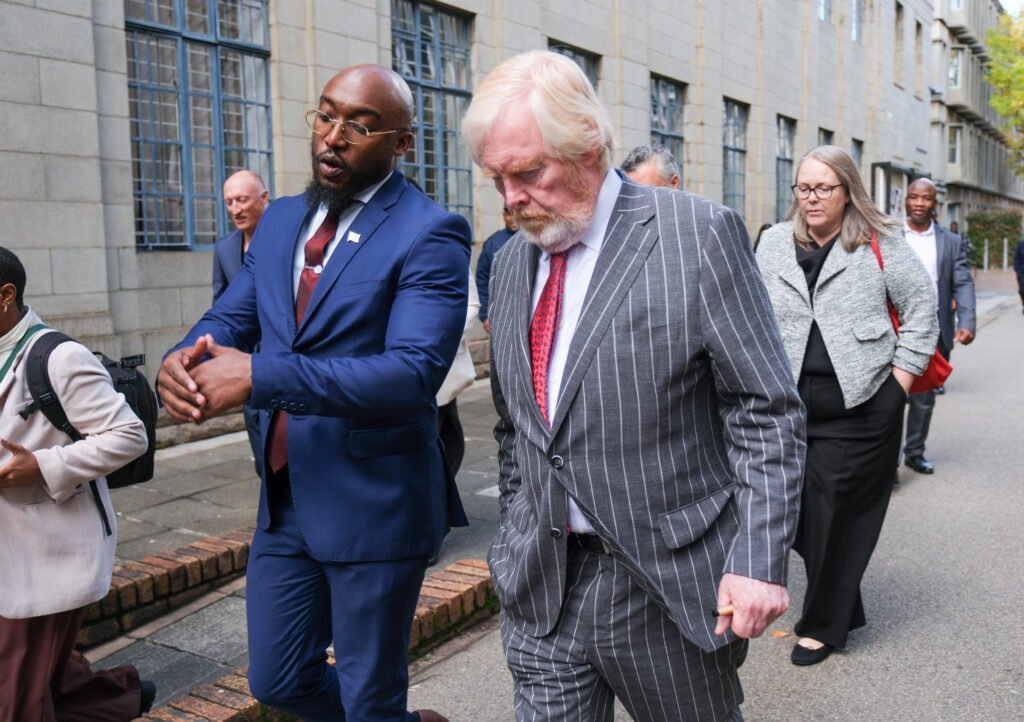
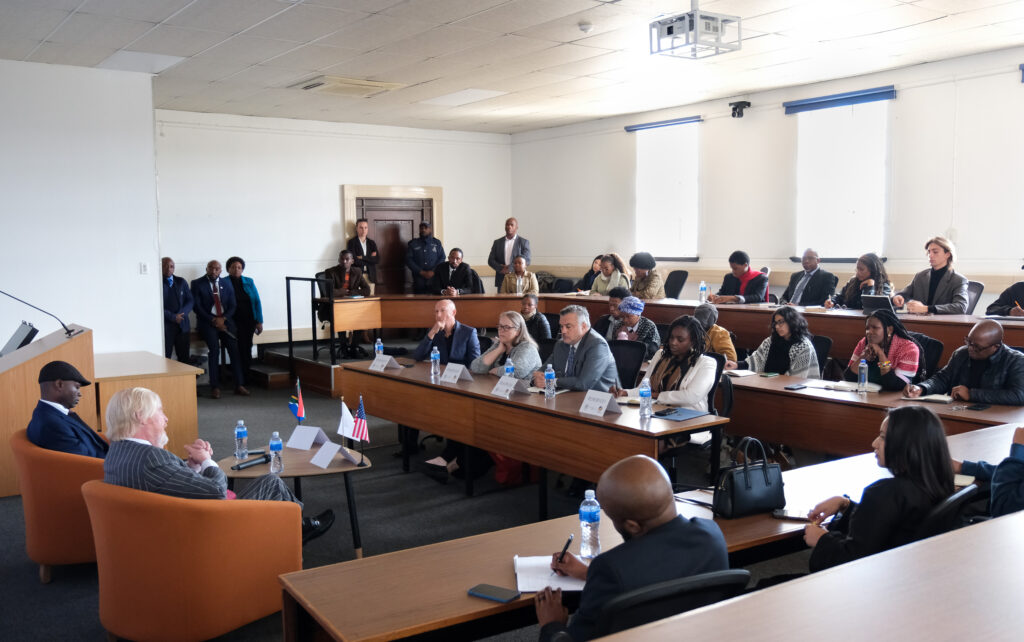
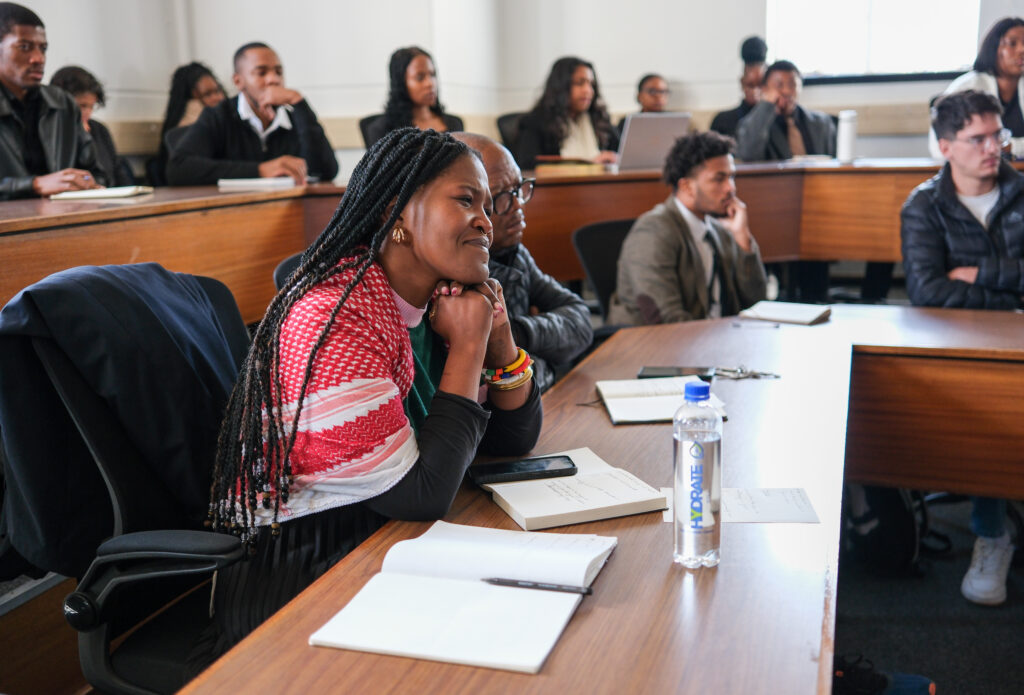
On Wednesday May 6, newly appointed US ambassador Leo Brent Bozell III addressed Wits University students in a closed session hosted by the Wits Association of International Relations (AIRS).
In his opening remarks, Bozell seemed intent on making amends for previous undiplomatic comments. He applauded South Africa’s potential for “tremendous opportunity” and highlighted the importance of stronger US-South African cooperation. “It’s all about partnership between our two countries,” he said.
One of his main areas of focus was on increasing US involvement within South Africa, underscoring a necessity within three specific areas, namely investment, crime and geostrategic alignment – all of which he claims can be redressed through closer relations.
Firstly, he argued that South Africa’s investment value is severely handicapped by B-BBEE policies, calling for alternative means of redressing social disparity in a way that remains profitable for investors. Secondly, he expressed concern over the country’s crime rates and proposed US-backed digital advancements. Lastly, he condemned South Africa for allegedly siding with the US’s adversaries, namely Iran, Russia and China: a decision that Bozell describes as “not non-aligned anymore.”
These requests are nothing new. Since March, Bozell has been adamant that South Africa shifts its allegiance in favour of US interests. However, this raises questions regarding potential infringements on national sovereignty – a principle that is highly protected under the US constitution, but conveniently disregarded when applied to South Africa.
Additionally, Bozell’s insistence on fostering greater partnership between the two nations stands at odds with the US’s hostility towards South Africa. From claims of ‘white genocide’ to being barred from the upcoming G20 – the country has constantly come under fire from the US. Bozell’s eagerness to “find common ground” and “put our differences aside” is jarringly disconnected from political reality.
When questioned about the most recent G20 snub against South Africa, Bozell stood his ground, emphasizing the US’s commitment to its national interest. “There’s a prerogative that the United States has,” he says. “Any hosting country can decide who it wants and who it doesn’t want.” However, this reveals a glaring double standard: when the US exercises its autonomy in pursuit of state interests, it is rationalised as necessary, but when South Africa does the same, it is persecuted and punished.
Lastly, despite the US’s overt insistence of South Africa’s “white genocide”, Bozell could not uphold this narrative with any conviction. When asked by Wits Vuvuzela if he encountered any genocidal violence on white people since entering the country, he stated that he had yet to visit the rural areas and could not confirm. “I have no comments,” he said.
Ultimately, Bozell’s visit seemed less about genuine partnership and more another frail attempt to realign the South African agenda to reflect the interests of the US: a move that not only sheds accountability of its prior offences against the nation but also aims to dismantle the very sovereignty it upholds so dearly.
FEATURE IMAGE: Picture of US ambassador Leo Brent Bozell III. Photo: Hannah Brown.
RELATED STORIES:
- Wits Vuvuzela, EDITORIAL: The global cost of the U.S and Israel’s “pre-emptive strike” on Iran , March 2026
- Wits Vuvuzela, Misinformation and #TheGreatTsek continue to cause tensions for SA’s relations with the USA , May 2025
- Wits Vuvuzela, Should South Africa follow America’s climate lead?, August 2025

