
Wits offers support for students with disabilities, but for those whose conditions are not visible, stigma and fear of judgement can make asking for help difficult.
- Wits has 1,126 registered students with disabilities receiving support through the Disability Rights Unit.
- Wits has identified stigma and disclosure as barriers for students with invisible disabilities.
- Students say asking for accommodation can be an emotional and undignified experience.
The Wits Disability Rights Unit (DRU) hosted a seminar on Wednesday, August 19, 2026, to address invisible disabilities and the barriers students face in accessing support. For some students at Wits University, getting support for an invisible disability can mean having to explain something that other people cannot see.
These disabilities such as ADHD, autism, mental health conditions, and chronic illnesses may not be immediately visible. Zamo Mbhele, a psychologist speaking at the DRU seminar, explained that this can make it difficult for students to ask for support, as they often worry about how it will be perceived.
Wits itself has acknowledged that stigma can prevent students from disclosing their conditions. In 2024, the university released an article on disability inclusion, the university noted that for students with invisible disabilities, “fear of stigma often prevents disclosure”. It further noted that students with complex needs require tailored support and coordinated services. For those who disclose their disabilities, the DRU provides support such as academic accommodations, assistive technology, and other forms of learning support. However, students who shared their experiences at the seminar said having support available does not always mean that asking for it is easy.
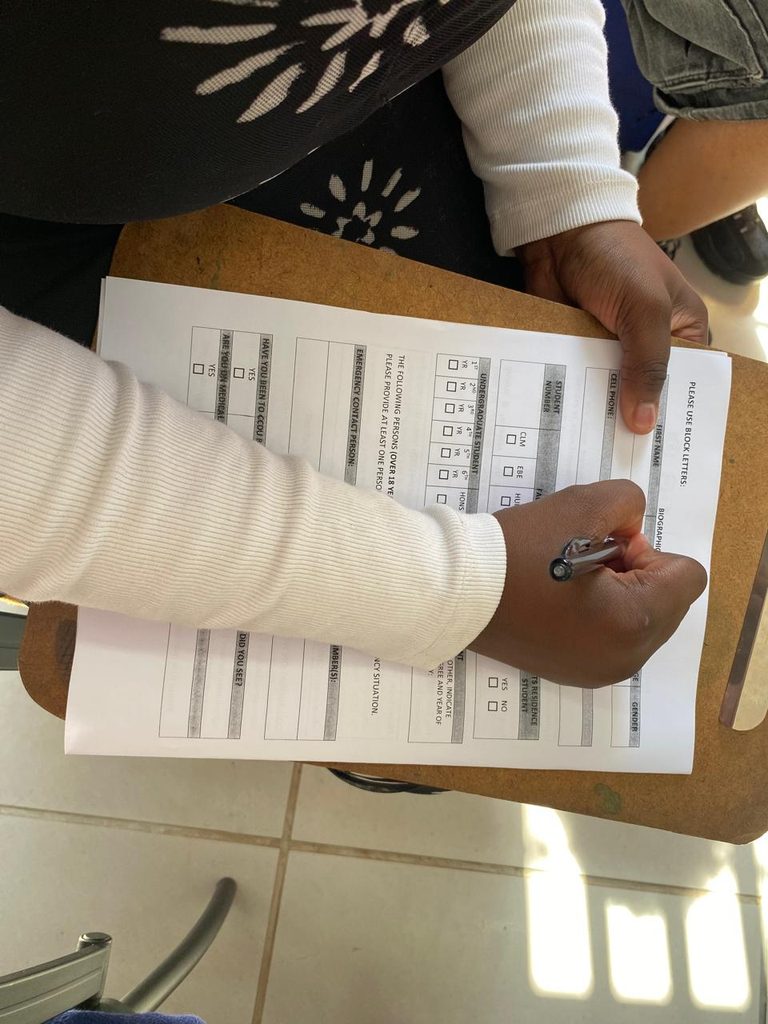
According to the Wits Disability Rights Unit , 1,126 students with disabilities were registered last year. This includes 307 students with neurodevelopmental disabilities, 175 with psychosocial disabilities and 133 with chronic illnesses. Yet these figures only show students who disclosed with the DRU. Many others with invisible disabilities may be struggling in silence, reluctant to register because of stigma.
Wits student Alexandra Makhlouf said the DRU has played an important role for her by creating a social space where she can meet other students with disabilities.
“There is still stigma about disability on campus, and having to meet other disability students on campus has played an important role for me,” Makhlouf said.
Another student at the seminar, who asked not to be named because of the personal nature of their experience, described the emotional difficulty of asking for reasonable academic adjustments such as flexible deadlines, access to quiet spaces, or changes to how they participate in academic activities.
“I find it so undignifying every time I need to ask for understanding and accommodation, and I’m in tears every time at home when I am trying to get accommodation for something and putting together my motivations,” the attendee said.
Mbhele shared that, “Belonging is the experience of entering a space without having to negotiate your legitimacy within it.”
These experiences show that, for students with invisible disabilities, sense of belonging can be difficult when they feel they have to repeatedly explain or prove their needs before receiving support.
Dr Leila Abdool Gafoor, Head of the DRU, said the university must ensure that every person’s voice is heard and create psychological safety so that students do not experience stigma when speaking about their needs.
The issue is not simply whether support exists, but whether students know where to find it, feel safe enough to disclose their needs and can ask for accommodation without feeling judged.
For Wits students with invisible disabilities, inclusion goes beyond physical access. It also means creating an environment where asking for help does not feel like having to prove that you belong. The question now is whether Wits can make its existing support easier to access for students who may already be afraid to disclose their disabilities.
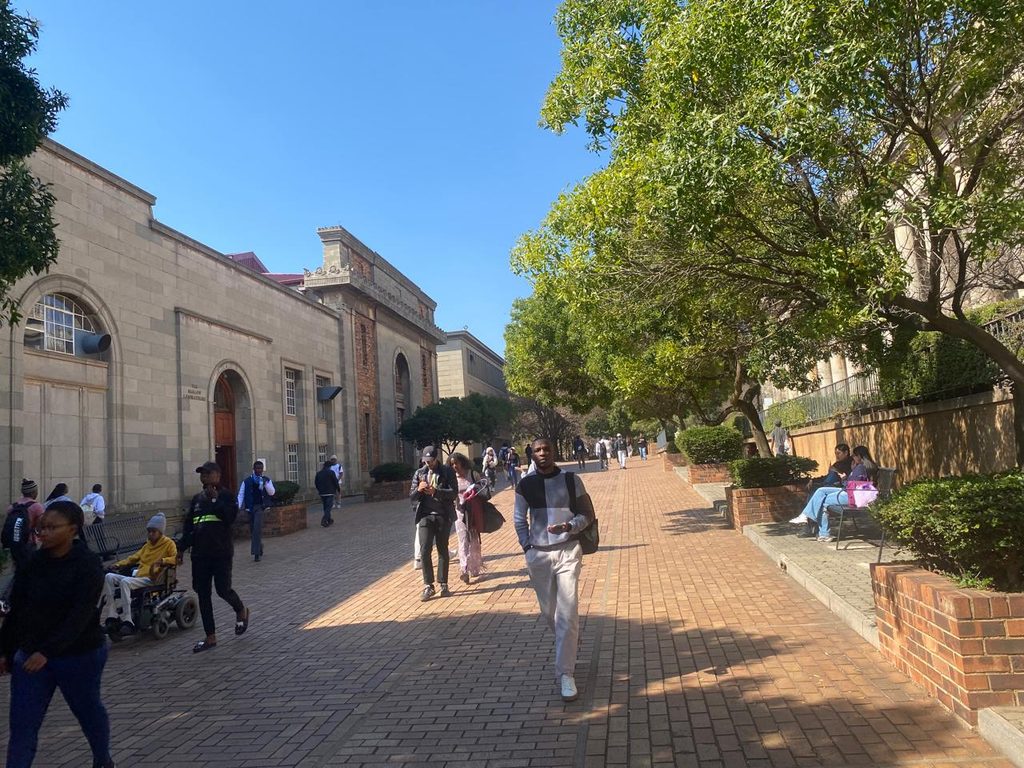
FEATURE IMAGE: A disability access sign on Wits campus that represent physical disability. Photo: Khutso Ngwatoana
RELATED STORIES
- wits vuvuzela, OPINION: We the disabled, the invisible, Sep, 2023
- wits vuvuzela, Disable doesn’t mean asexual says Wits DRU, Jul,2023
- wits vuvuzela, Wits Disability Awareness Week a benchmark for other institutions, Sep, 2017

