
For Siya, ubukhothane is about protecting a culture of identity, creativity and self-expression.
- Skhothane culture is a South African youth subculture rooted in luxury brands and performance.
- Siya Mbatsane, known as “Bhut Tong”, found his place in ubukhothane through dance, fashion and his family’s connection to the culture.
- Social media is giving a new generation of Skhothane practitioners a bigger stage, turning dance, fashion and creativity into opportunities beyond the township.
“Woza Madala Woza” spills into an East Rand township street, competing with the rumble of passing colourful minibuses and the cheers of a growing crowd. The pavement becomes a dance floor. Bright colours flash through bold prints and polished Italian shoes. DMD Muracchini shirts and Versace prints move with the bodies wearing them as dancers size each other up.
Then the dance-off begins. Feet glide across the pavement as shoulders roll and bodies bend to the rhythm. The crowd responds with cheers. An Ultra Mel bottle is passed around before thick custard is poured onto the ground, becoming part of the performance. This is ubukhothane.
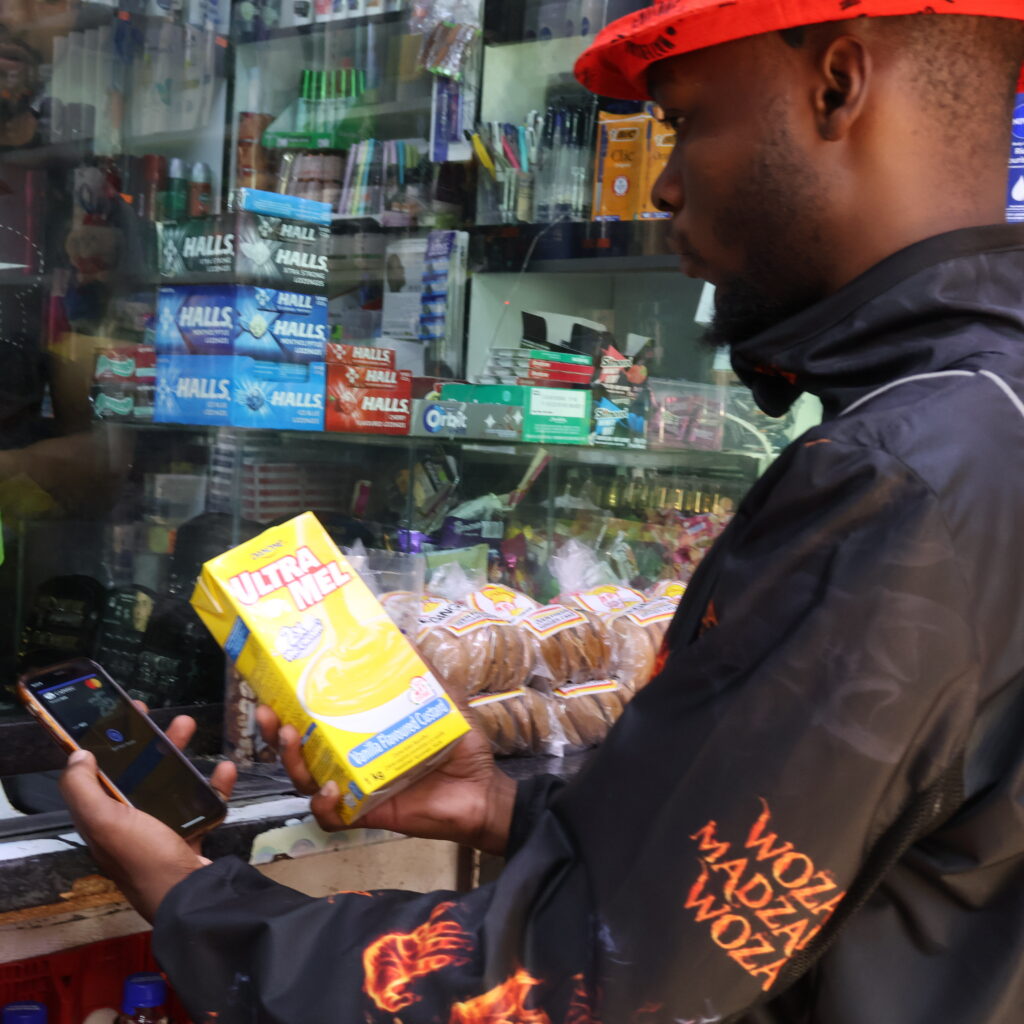
For years, the subculture has been viewed through a narrow lens: expensive clothes, conspicuous spending and the destruction of luxury goods. Those images became so powerful that Skhothane culture was reduced to waste, recklessness and delinquency. But look beyond the burn and another picture emerges.
Skhothane culture is shaped by fashion, dance, music, competition and community. For practitioners, clothing is part of the performance and a way to stand apart.
For Siyabonga Mbatsane, popularly known as “Bhut Tong”, being part of ubukhothane means having the freedom to be different. He describes himself as a maximalist, drawn to what he calls “the art of dance and fashion”.
He is difficult to miss. Tall and meticulously put together, he appears almost larger than life in wax jeans, a green and pink Sfarzo shirt and a bright orange bucket hat. His outfit is loud, but he is surprisingly shy however on the dance floor, that shyness gives way to movement. His connection began after watching his uncles’ participate in the culture. Drawn to the dancing, he decided to try it himself.
Today, Mbatsane is a second-year student at the University of Johannesburg, a content creator and part-time worker who takes on odd jobs such as washing cars and gardening. His creative work has opened opportunities beyond the streets where he first encountered the culture, including a recent collaboration with Knorr Soup.
Fashion remains an important part of that expression. A typical Skhothane outfit can cost around R6,000, he says. Shirts, jeans and shoes are chosen not only for how they look, but for what they communicate. His first Skhothane items were tied to his family and his own hustle. His mother bought him one of his first pairs of Rossimoda shoes, blue leather shoes with white soles that cost R2,700. He took on odd jobs to afford one of his first outfits, an AmaKip Kip multi colour two piece from a South African streetwear brand known for its bold, colourful designs.
Building a Skhothane wardrobe was therefore not simply about having access to expensive clothes. For Siya, wearing luxury means more than the price tag. In a society where designer goods can feel inaccessible, wearing them can become a statement of confidence. He says it is about being “proud and loud” as a Black person. That desire to make a statement through appearance has a history in South Africa.
Long before the bright colours and designer labels associated with modern ubukhothane, Black South Africans used clothing to make themselves visible in societies that often sought to make them invisible. Researchers have connected modern ukukhothana to earlier sartorial cultures, including the diamond-field dandies of 1880s in Kimberley and the oswenka of Johannesburg in the 1950s.
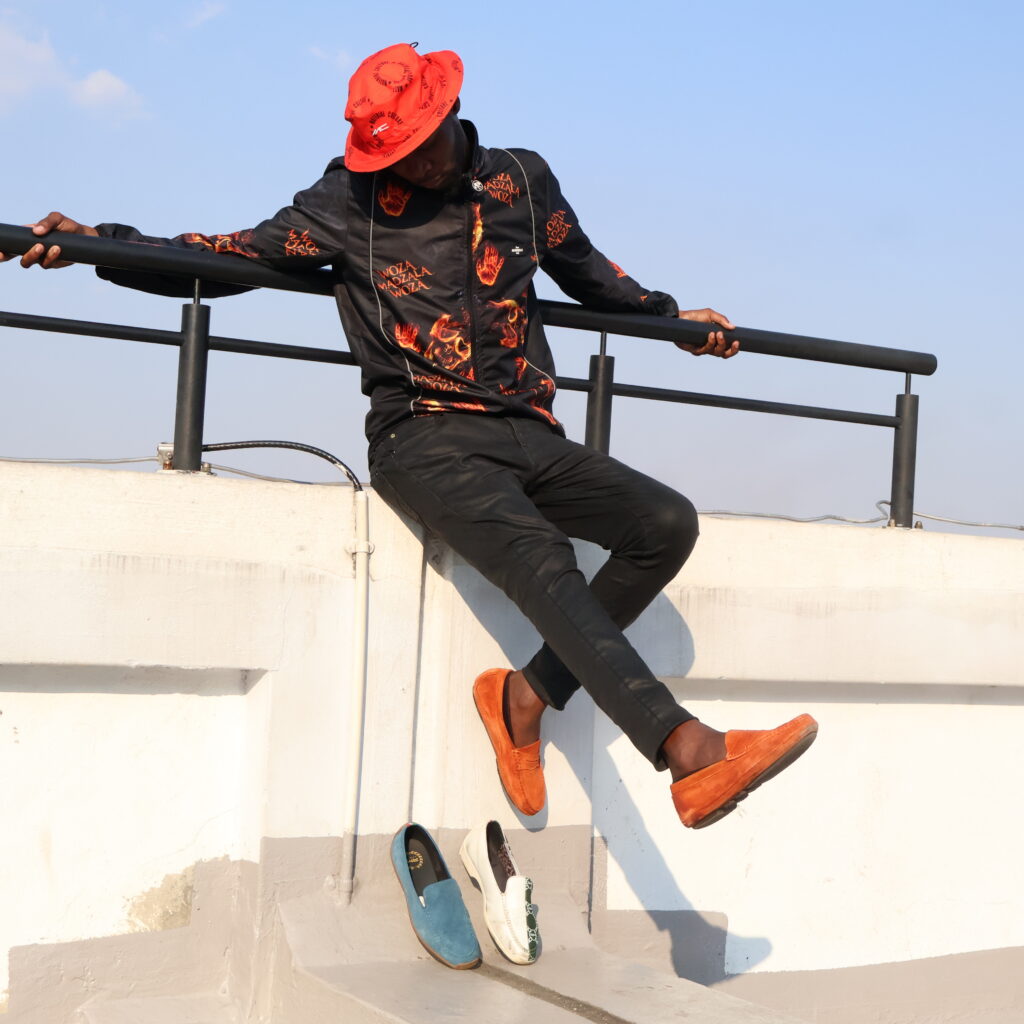
Modern ukukhothana emerged in Gauteng’s East Rand in the mid-2000s before spreading beyond the province. For them, competition was not just about who owned the most expensive outfit. Groups and individuals challenged one another through clothing, music and dance. A dance-off could become a test of skill, while an outfit could communicate status.
And sometimes, that competition involved destruction. At some gatherings, expensive clothing, food and other goods were destroyed in front of an audience. The ability to ruin something valuable could become a display of status. Media coverage often focused on burning clothes, wasted food and money, cementing the impression of a reckless youth culture obsessed with excess. Yet research offers a more complicated picture. An ethnographic study of members of the Italian Gates Skhothane crew found that vandalising consumer goods was rare among participants, while flamboyant dress, dance and fashion remained central to their identity.
Mbatsane says the destruction associated with the culture was part of how Skhothane was practised when it first emerged, particularly at parades and events. Burning or destroying luxury items demonstrated access to things others could not afford, signalling a higher social position. But the culture has since evolved. What remains the same, he says, is “the clothes, the dance, the music, and community”.
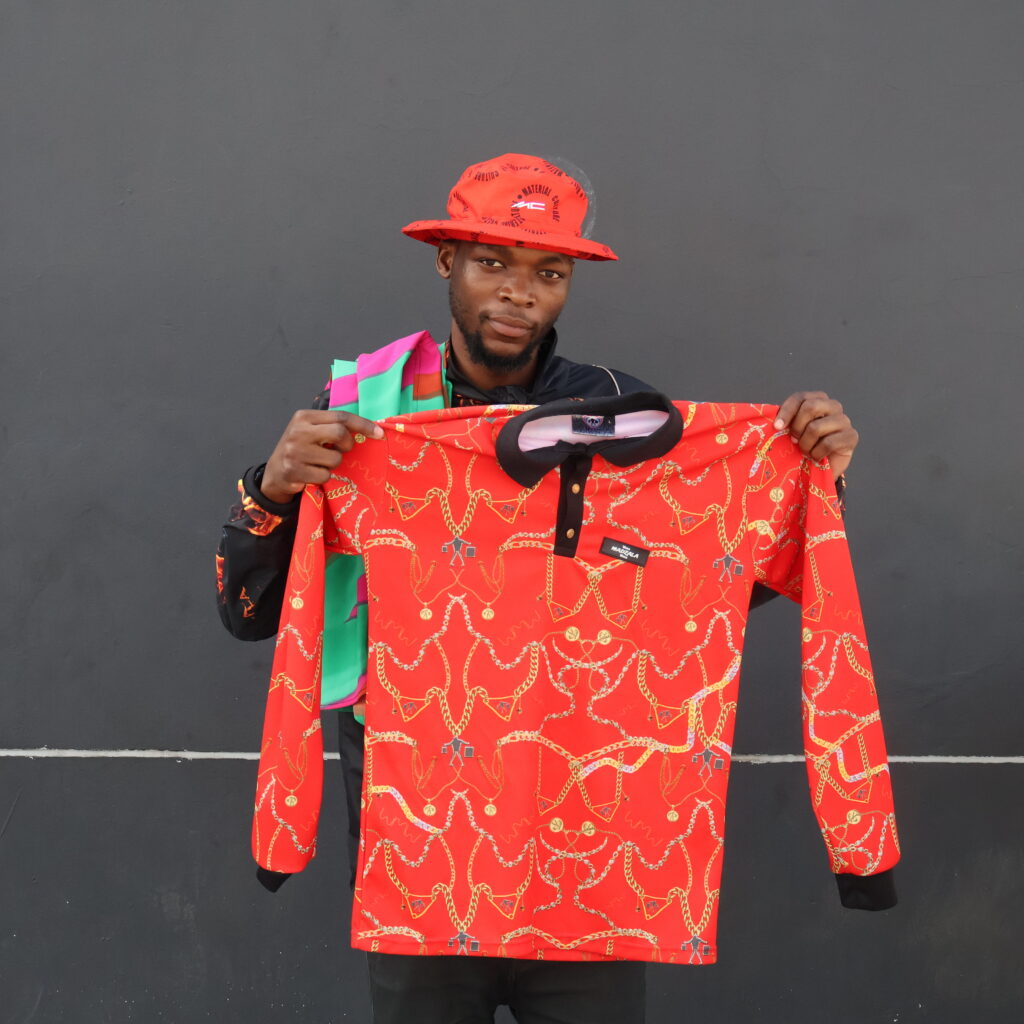
Image of Skhothane Siyabonga Mbatsane holding DMD shirt. Photo by: Nqobile Mtshali
He still practises dancing at home and with friends, preparing routines for Skhothane festivals and reunion events. But the performance no longer belongs only to township streets; social media has given it a wider audience. A dance-off can reach thousands online, while an outfit or performance can open doors to new opportunities beyond the township.
Tshepo Pitsa, known as Don Dada, was one of the culture’s more visible figures on this wider platform. He appeared in local and international media, including ELLE and the BBC, and became known for his Skhothane videos on YouTube. His crew, the Material Boys, rejected burning and tearing, focusing instead on fashion and dancing. Mbatsane is part of that digital shift too. His online visibility as a content creator has helped him secure brand collaborations. The platform has changed, but the impulse to be seen and to perform for an audience remains the same.
For a culture that has so often been defined by what outsiders saw being destroyed, Mbatsane represents another way of looking at it. His clothes are still loud. The competition still exists, and the dancing still draws attention. But the performance does not end with something being burned.
For Siya, ubukhothane is not a disappearing subculture. It is growing with the people who practise it, adapting to new spaces and finding new audiences. And when the music starts and he steps onto the pavement, the shy young man behind the bright colours gives way to the dancer.
FEATURED IMAGE: Side profile image of Skhothane Siyabonga Mbatsane. Photo: Nqobile Mtshali
RELATED ARTICLES
- Wits Vuvuzela, Alternative subculture in the heart of a world-class African city , December 2025
- Wits Vuvuzela, REVIEW: Africa makes its mark at the Met Gala, May 2025

