
Power outages at Wits’ International House disrupt postgraduate students’ study routines and raise safety concerns amid aging infrastructure and poor communication.
- Recurring power outages at International House since March 2026.
- Residents face interrupted study routines and safety risks, particularly at night when corridors are left in darkness.
- Limited communication from management and delays in forming a House Commitee or upgrading infrastructure have left residents uncertain and frustrated.
Persistent power disruptions at Wits’ International House residence are straining the building’s infrastructure and backup systems, compelling postgraduate students to relocate late at night to continue studying.
The outages began in early March 2026, with some residents reporting disruptions occurring two to three times a week. During these periods, the residence relies on a generator shared with Sunnyside Hall, limiting available backup power and leaving sections of the building without electricity.
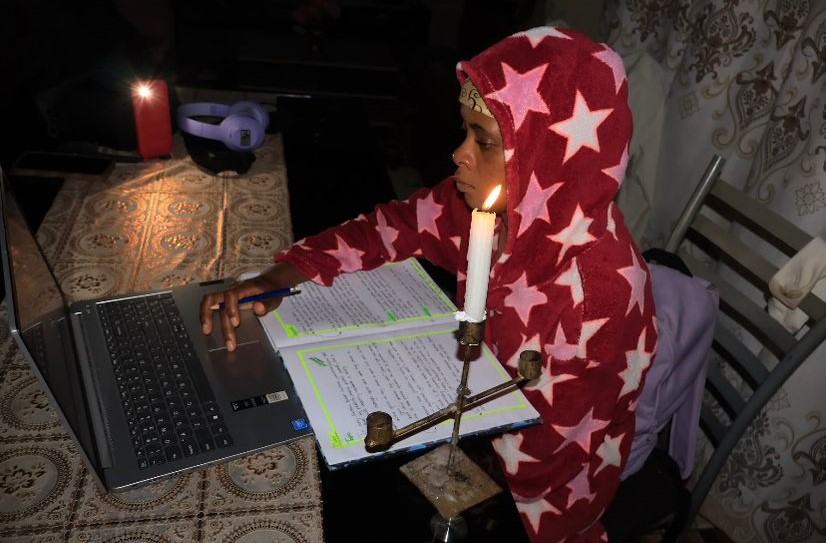
Students say the impact extends beyond inconvenience. Darkened corridors and shared spaces have forced some residents to either remain in unsafe conditions or move across campus late at night to access functional study areas.
Postgraduate resident Ireen Masemula, who is pursuing a BEd honours in language education, described the disruptions as exhausting and unsettling. “The lights go out at around 8 p.m. sometimes, and I only return from the library around 1 a.m.,” she said. “It’s not safe, especially as a young woman. I have to go to the library to work, and I struggle to study in such an environment.”
According to Tyson Mnisi, a security officer at International House, the outages are not solely linked to external power-supply issues. He explained that a combination of external disruptions and internal electrical faults contributes to recurring failures.
“Sometimes it’s just a minor cut, but often it’s an internal load,” Mnisi said, adding that high-wattage appliances such as microwaves and heaters place significant strain on the system. “You’ll have students making popcorn in their rooms, and suddenly the whole circuit trips. The infrastructure is just not built to accommodate such levels of demand.”
Tshiamo Modise, an undergraduate student and a student employee in the residence’s maintenance team, said communication gaps have intensified the situation. During a recent incident involving multiple generator failures, she used her own airtime to contact management after the building’s Wi-Fi and telephones went down.
“I reached out to management for answers, yet I was met with silence and no formal explanation”, Modise said, noting that outages have also resulted in spoilt food and unsafe conditions in shared kitchen spaces.
Residents say the recurring disruptions point to deeper structural concerns within the residence, as temporary fixes have not addressed the underlying causes.
Shanon Smit, a handyman at the residence, suggested that establishing a formal House Committee could strengthen communication between residents and maintenance teams, particularly in reporting faulty appliances before they place additional strain on the system.
Despite these suggestions, students say little has changed, leaving them to adjust their routines individually while managing ongoing disruptions.
Attempts to obtain comment from residence manager Bhekizizwe Nkosi were unsuccessful at the time of publication.
For now, International House residents remain caught between different explanations and ongoing infrastructure pressures, with no clear timeline for lasting improvements.
Residents say that without urgent infrastructure upgrades, the ongoing outages will continue to compromise both the safety and basic living conditions within the residence.
FEATURED IMAGE: International House Residence. Photo by: Alice Dhlamini.
RELATED STORIES:
- Wits Vuvuzela, Braamfontein’s weekend in the dark, City Power continues to fail residents ,Feb 2026
- Wits Vuvuzela, PHOTO ESSAY: Thembelihle – the fight for electricity, Aug 2014.

