
The 70th Women’s Day Commemoration event celebrated the women of the Women’s March of 1956 and gave an opportunity for exhibitors to create awareness of their business and showcase their work.
- The 70th Women’s Day Commemoration took place at the Union Buildings in Pretoria.
- Sophie Williams-De Bruyn, the last standing leader and organiser of the Women’s March of 1956 gave an address.
- Wits Vuvuzela spoke to three different exhibitors to gain insight on how their exhibitions empower women.
National Women’s Day, Sunday August 9 2026, marked a significant milestone within the South African context as it was the commemoration of 70 years since the anti-pass law Women’s March of 1956, which took place at the self-same Union Buildings decades on.
The Women’s March of 1956 was a monumental turning point in South African history, highlighting the power of women uniting against injustice. 70 years later, thousands of people gathered to honour the 22 000 women who marched against Apartheid’s pass laws.
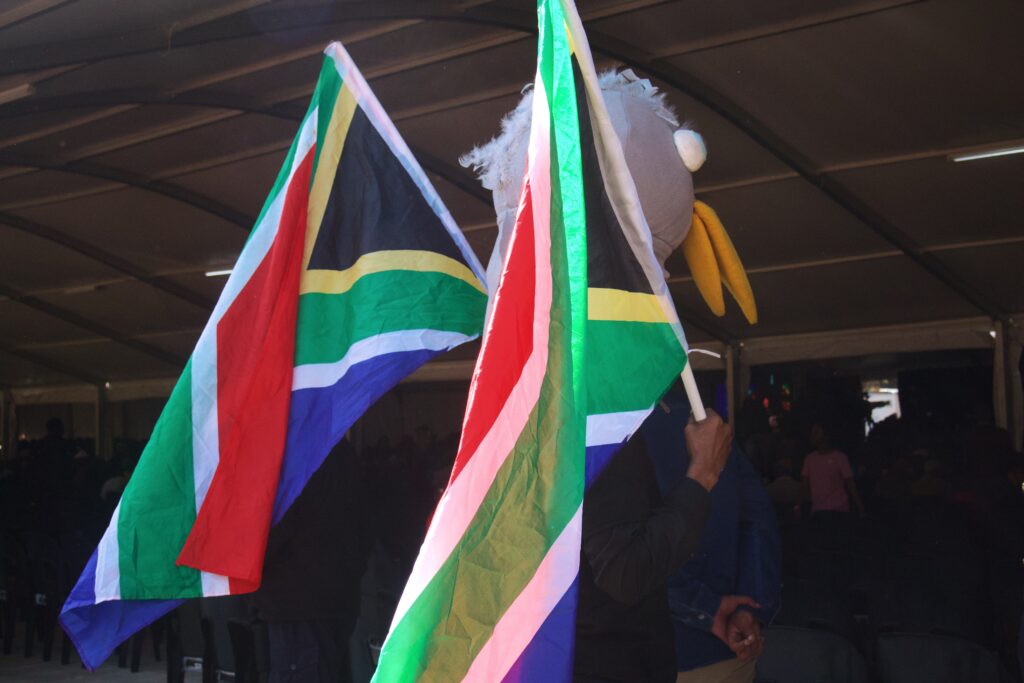
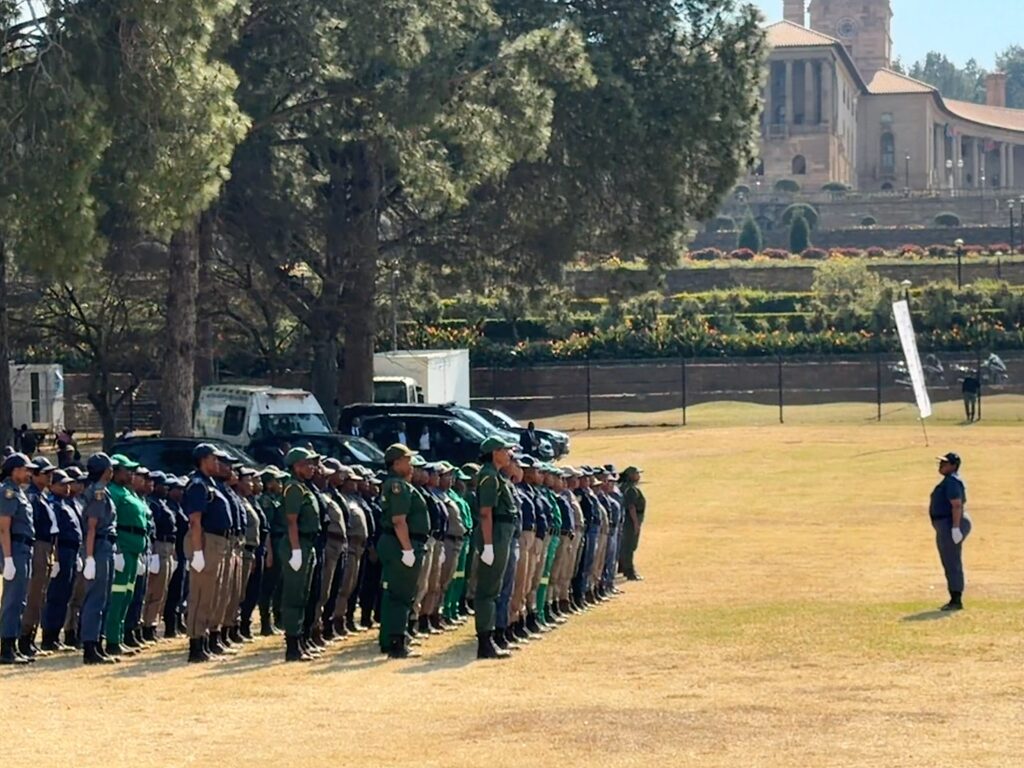
The commemoration consisted of a women parade, speeches, live performances that celebrated culture and various exhibitions.
The theme of the event was “empowered women, empower the nation.” Sophie-Williams-De Bruyn, the last surviving woman from the leaders and organisers of the Women’s March of 1956, took to the stage during the formal proceedings.
Williams-De Bruyn said: “We were young, we were afraid, but we were unified and determined. When we stood undaunted in silence for 30 minutes, the world trembled, it took note. We confronted the Apartheid regime and boldly said: Strijdom, you have targeted the women, you have struck a rock, and we will crush you…
But today as I look at our beautiful country, my heart is heavy. The freedom we marched for, what we bled is in reality a painful paradox. How can we fully celebrate our past victories when our current realities are so deeply disappointing and distressful?”
Williams-De Bruyn specifically pointed out gender-based violence and femicide, entrenched poverty, lack of clean water, homelessness and systemic corruption.
Alongside Williams-De Bruyn’s address was Eugene Plaatjie who spoke on behalf of her late mother, Lilian Dierdericks, a leader and organiser of the 1956 march. She [Lilian Dierdericks] led the Eastern Cape women to this iconic march,” she said.
Plaatjie concluded: “Let us no more say four women led the march, but that they were indeed five. Let the false narrative die today and that we remain true to the struggle.”
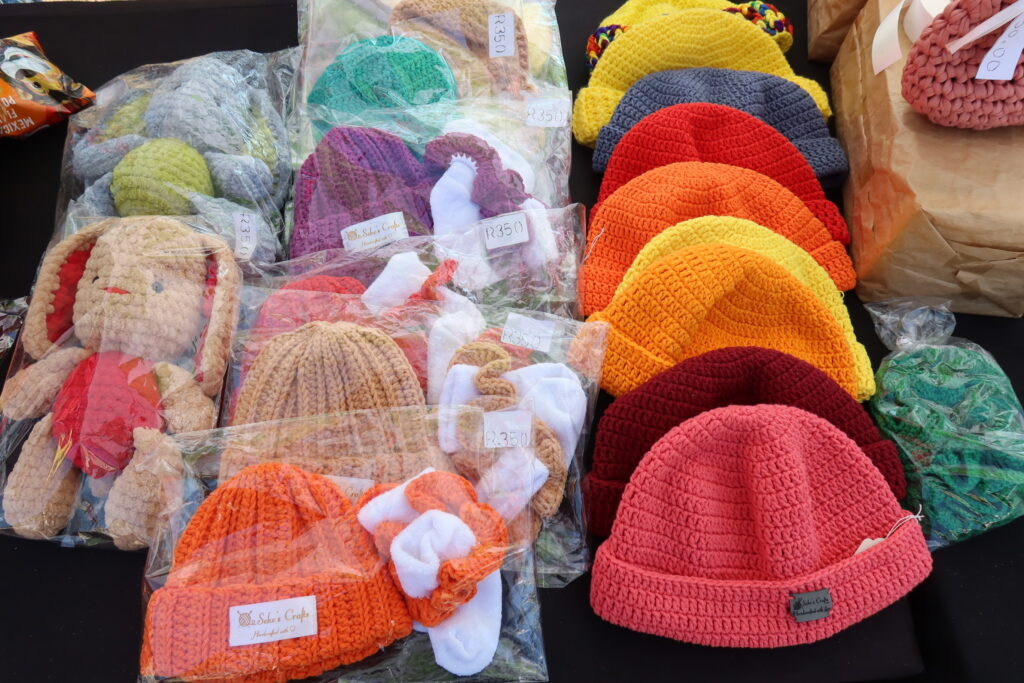
Wits Vuvuzela engaged with three exhibitors on the lawns. The first, a crocheting collaboration between Seko’s Crafts (founded by Lebogang Klass) and Kgaetsi Hand Made (founded by Mokgaetši Mothwa). When asked about how they interpret the theme, “empowered women, empower the nation” in relation to their businesses, Mothwa shared: “This woman [referring to Lebogang] standing right in front of me, helped me realise my dream today. There was an opportunity to come to class to learn how to crotchet, and now I can happily and proudly say I’m running my own business today. So that for me is women empowerment, we care for one another. She did it for the community. Now I am able to buy bread and teach someone else.”
Klass said empowerment for her is about paying it forward through her teaching and mentorship. “The thing is now unemployment is too much… and mental health, the kids are always on social media, they do other things whereby they can learn to do this thing [crochet] and they don’t need to have a job to learn, they can employ themselves and employ other people,” she said.
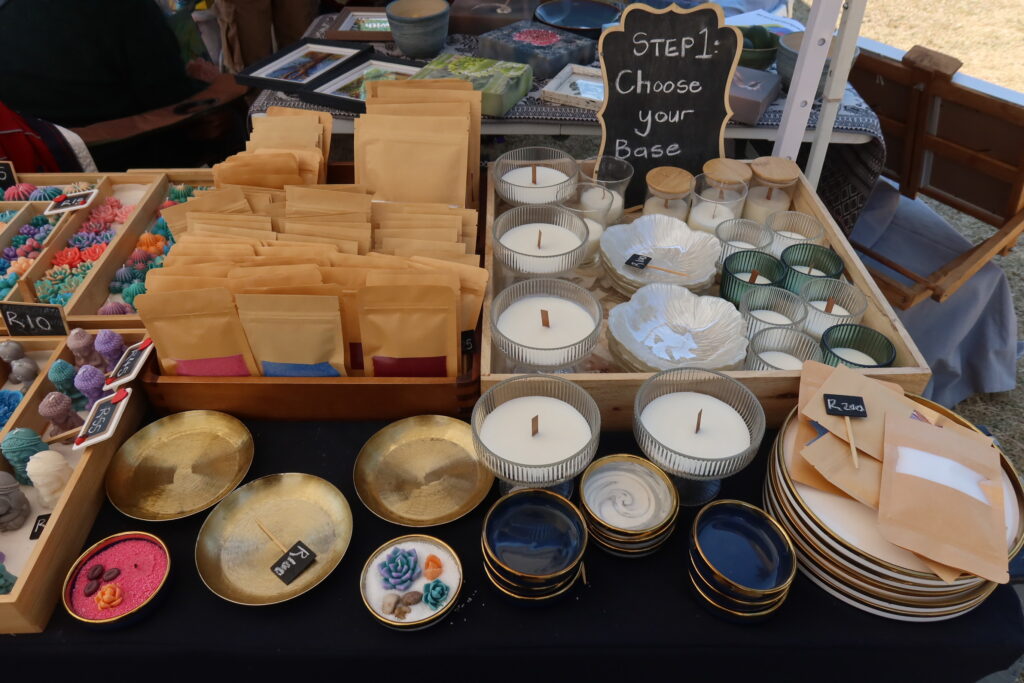
The second exhibitors were Sharmila Mistry and Shamalin Singh, founders of Beyond Eternity, offering holistic therapies and products. They said their work is centred around “the evolution of women and women knowing their self-worth” through natural healing.
Lastly, were Ditsong: Museums of South Africa funded by the Department of Arts, Sports and Culture. Curator Tinyeko Ndlovu said, “You see the boards, they represent permanent exhibitions in our Military Museum, we did what we called, Women’s Role in the Liberation Armed Struggle. We are contributing to ensure that women were not excluded and showing that they were there. If you look, there’s people like Charlotte Maxeke, and Sarah Bartman.” He also shared that Ditsong will be hosting a panel on August 26, 2026, in Johannesburg to discuss Nokuthula Simelane, who disappeared in 1983.


A photo of the boards that were being showcased by Ditsong: Museums of South Africa. Photo: Sikelelekile Pahlana
The overall event reflected the importance of empowerment and honouring the work that women do from generation to generation. More notably, how there is still more work to be done for women to truly thrive in South Africa.
FEATURED IMAGE: A photo of people gathering to watch the women’s parade at the Union Buildings. Photo: Sikelelekile Pahlana
RELATED ARTICLES:
- Wits Vuvuzela, PHOTO ESSAY: Queer Lives Matter – March in Braamfontein, June 2021
- Wits Vuvuzela, PHOTO ESSAY: What happens in the dark comes to the light through protest, June 2021
- Wits Vuvuzela, PHOTO ESSAY: Phase two of the vaccine rollout, May 2021

